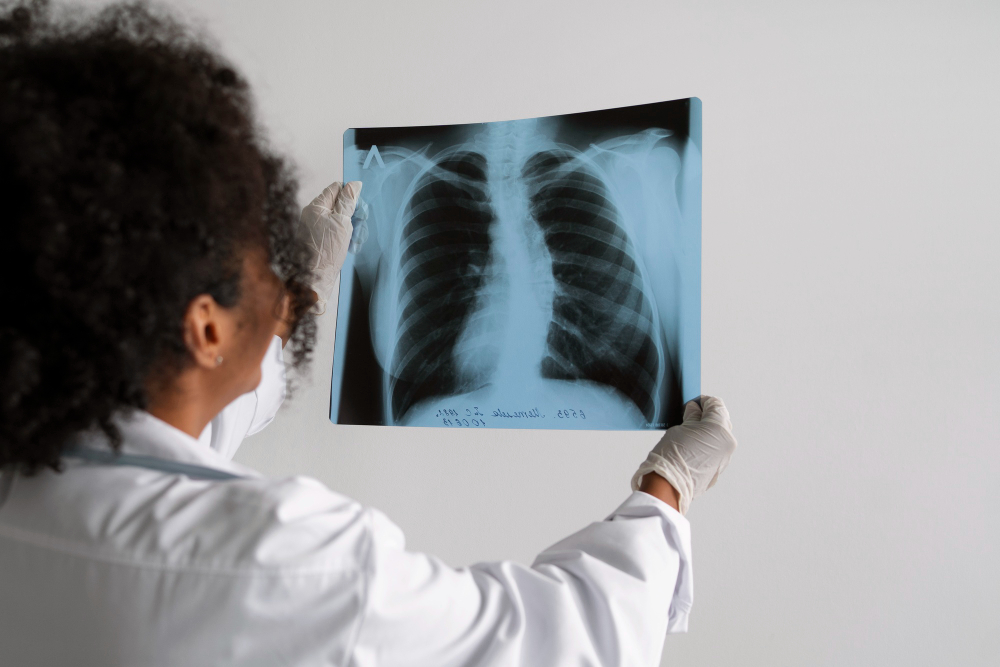
What is Lung Cancer?
Lung cancer is a disease where cells in the lungs grow out of control. These cells can form a tumor and may spread to other parts of the body. In the United States, lung cancer is one of the most common cancers. According to the CDC, it causes more deaths than any other cancer. Early signs of lung cancer can be hard to notice. However, finding it early can improve treatment outcomes.
Common Symptoms of Lung Cancer
Many people do not notice symptoms at first. Still, some early signs of lung cancer may appear. Watch for these symptoms:
Sometimes, these symptoms are caused by other conditions. Even so, you should see a doctor if you notice any of them.
Causes and Risk Factors
There are several causes and risk factors for lung cancer. Smoking is the leading cause. However, non-smokers can also develop lung cancer. Here are some common risk factors:
Quitting smoking and avoiding harmful substances can lower your risk. But, some risk factors, like family history, cannot be changed.
How Lung Cancer is Diagnosed
Doctors use several tests for lung cancer diagnosis. First, they may ask about your symptoms and medical history. Next, they may order tests such as:
Early diagnosis can help improve lung cancer treatment options. Therefore, talk to your doctor if you have concerns.
Treatment Options
Lung cancer treatment options depend on the stage and type of cancer. Your overall health also matters. Common treatments include:
Doctors may use one or more treatments together. Your care team will help choose the best plan for you.
Prevention Tips
While not all lung cancer cases can be prevented, you can lower your risk. Consider these tips for preventing lung cancer:
Making healthy choices can help protect your lungs. Even small changes can make a difference over time.
Living with Lung Cancer
Living with lung cancer can be challenging. However, support and care can help you manage. Here are some ways to cope:
Remember, you are not alone. Many people and resources are available to support you.
For personalized advice on lung cancer, consult a healthcare specialist.