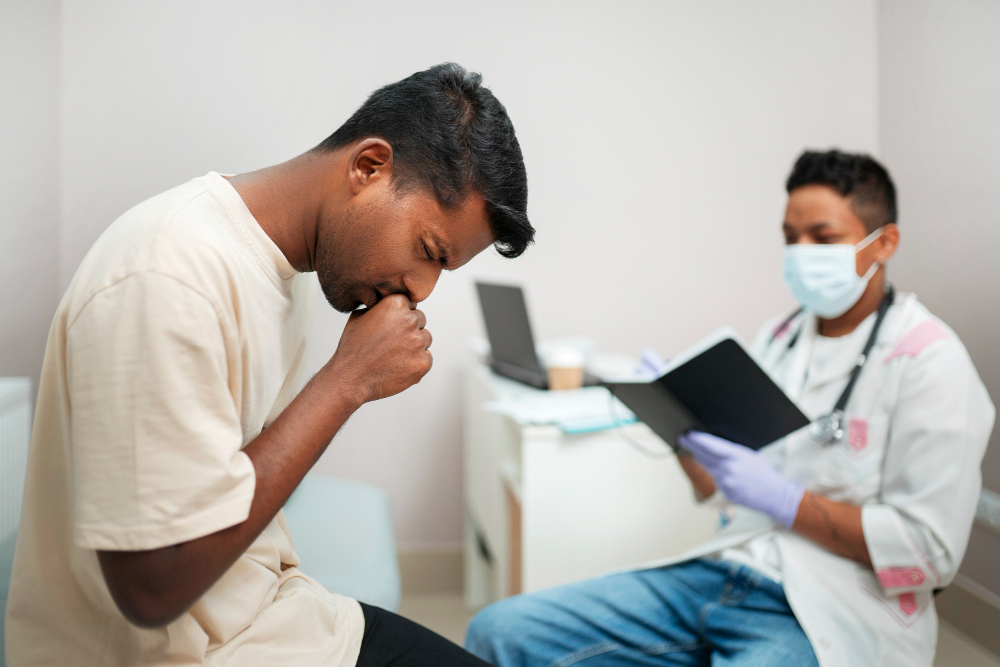
What is Tuberculosis?
Tuberculosis, often called TB, is a serious infection. It mainly affects the lungs, but it can also harm other parts of the body. The disease spreads through the air when a person with active TB coughs or sneezes. Although anyone can get TB, it is more common in some regions, especially where healthcare is limited. According to the World Health Organization (WHO), millions of people get tuberculosis each year. However, with early care, TB can be treated and cured.
Symptoms of Tuberculosis
Recognizing tuberculosis symptoms early is important. While some people do not feel sick at first, others may notice signs that last for weeks. For example, you might have:
Sometimes, TB affects other organs. In these cases, symptoms can include back pain, joint pain, or swollen glands. If you notice any of these signs, it is wise to see a doctor soon.
Causes and Risk Factors
Tuberculosis is caused by a germ called Mycobacterium tuberculosis. This germ spreads through the air. When a person with active TB coughs, sneezes, or even talks, tiny droplets can carry the germ to others. However, not everyone who breathes in the germ gets sick right away. Some people have a strong immune system that keeps the germ under control.
There are several risk factors that make TB more likely:
Because of these risks, TB is more common in some areas, especially in parts of Asia and Africa.
How Tuberculosis is Diagnosed
Doctors use several tests to find out if someone has TB. First, they ask about your symptoms and medical history. Next, they may do a physical exam. For example, they might listen to your lungs. After that, they often use these tests:
Sometimes, doctors use more than one test to be sure. Early diagnosis helps prevent the spread of TB and starts treatment sooner.
Treatment Options for Tuberculosis
Tuberculosis treatment usually involves taking several medicines for at least six months. These medicines kill the TB germs in your body. It is very important to take all the medicine, even if you start to feel better. If you stop early, the germs can become stronger and harder to treat.
Common TB medicines include:
In some cases, TB germs do not respond to standard drugs. This is called drug-resistant TB. For these cases, doctors may use different medicines and longer treatment. Regular check-ups help make sure the treatment is working and prevent side effects.
Prevention Tips for Tuberculosis
Preventing tuberculosis is possible with a few simple steps. For example, you can:
In many countries, the BCG vaccine helps protect young children from severe forms of TB. However, it does not prevent all types of TB. Therefore, good hygiene and early testing are still important.
Living with Tuberculosis: Lifestyle Guidance
Living with tuberculosis can be challenging, but there are ways to make it easier. First, follow your doctor’s advice and take all your medicine. Also, eat healthy foods to help your body heal. If you feel tired, rest as much as you need. In addition, avoid smoking and alcohol, as these can slow your recovery.
It is also important to protect others. For example, wear a mask if you are coughing, and avoid close contact with others until your doctor says it is safe. With support from family and friends, most people recover fully from TB.
If you have symptoms or concerns about tuberculosis, consult a healthcare specialist for personalized advice.