What Are Flu and Viral Respiratory Infections?
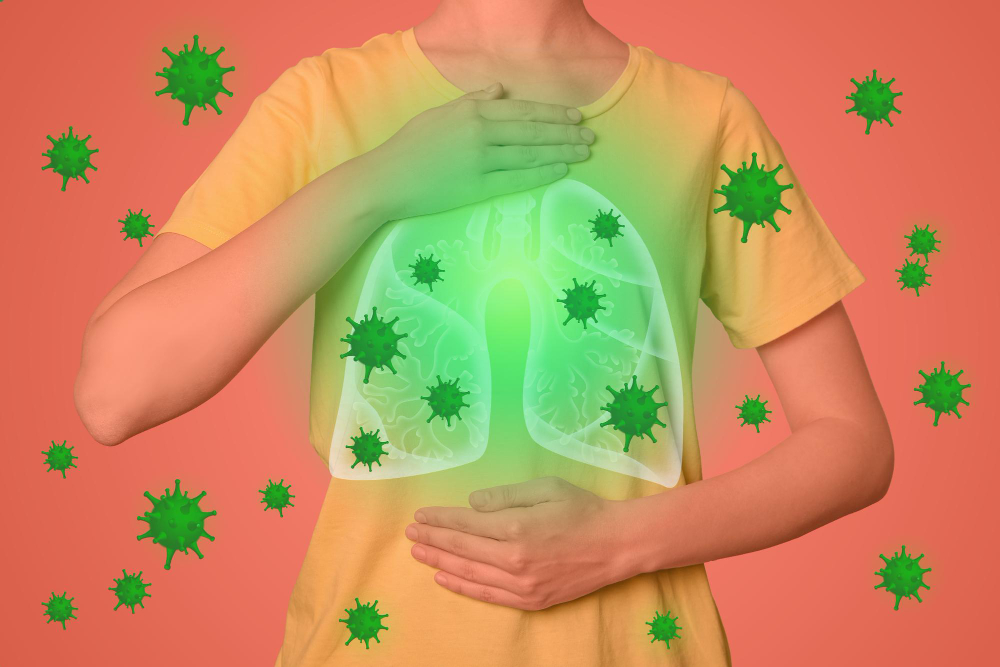
Flu and viral respiratory infections are common illnesses that affect the nose, throat, and lungs. The flu, also called influenza, is caused by influenza viruses. Other viral respiratory infections include the common cold and infections from viruses like RSV and coronavirus. These illnesses spread easily, especially in crowded places or during certain seasons. Because they are so common, it is important to know how to recognize and manage them.
Common Symptoms
Many people wonder about flu symptoms and how they compare to other viral respiratory infections. While symptoms can vary, most people experience:
However, not everyone will have all these symptoms. For example, some people may only have a mild cough or slight fever. Still, if you notice these signs, it is wise to take care and avoid spreading germs.
Main Causes and Risk Factors
Flu and viral respiratory infections are caused by different viruses. For instance, the flu comes from influenza viruses, while the common cold is often caused by rhinoviruses. These viruses spread through droplets when someone coughs, sneezes, or talks. You can also catch them by touching surfaces with the virus and then touching your face.
Some people are at higher risk for severe illness, including:
Because these groups are more likely to get sick, extra care is needed to protect them.
How Are They Diagnosed?
Many people ask how to diagnose flu or a viral respiratory infection. Usually, doctors look at your symptoms and medical history. Sometimes, they may do a physical exam. In some cases, a doctor may use a swab from your nose or throat to test for the virus. These tests can help confirm if you have the flu or another virus. However, not everyone needs testing, especially if symptoms are mild.
Treatment Options
Most flu and viral respiratory infections get better on their own. Still, there are ways to feel better and recover faster. Treatment often includes:
For some people, doctors may prescribe antiviral medicine for the flu. These medicines work best if started early. However, antibiotics do not help because these infections are caused by viruses, not bacteria.
Prevention Tips
Preventing flu and viral respiratory infections is important for everyone. Here are some simple steps you can take:
In some areas, outbreaks may be more common during certain seasons. Therefore, it is wise to follow local health advice and stay updated on vaccination recommendations.
When to See a Doctor
Most people recover from flu and viral respiratory infections at home. However, you should see a doctor if you have:
Young children, older adults, and people with chronic health problems should seek care sooner if they feel unwell. Early treatment can help prevent serious problems.
In summary, knowing the signs, causes, and ways to prevent flu and viral respiratory infections can help keep you and your family healthy. For personalized advice on flu or viral respiratory infections, consult a healthcare professional.