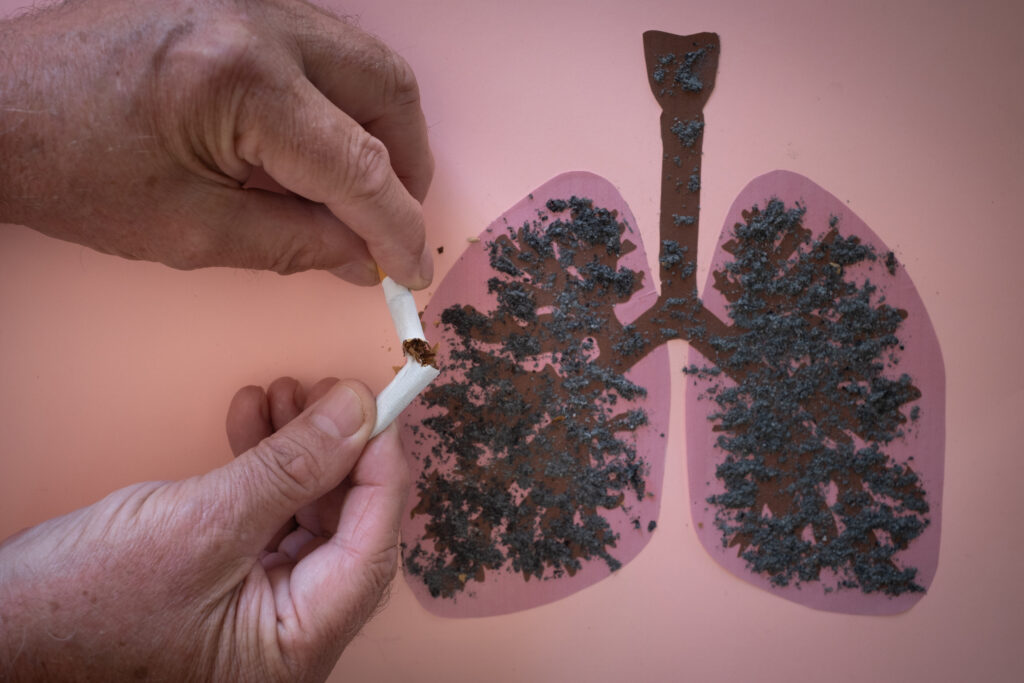
What is Chronic Obstructive Pulmonary Disease?
Chronic Obstructive Pulmonary Disease, or COPD, is a long-term lung disease. It makes it hard to breathe. COPD includes conditions like chronic bronchitis and emphysema. Many people around the world have COPD. In fact, it is one of the leading causes of illness and death. Early detection and proper care can help people live better with this condition.
Common Symptoms of COPD
Often, symptoms of COPD develop slowly. At first, you may not notice them. However, as the disease gets worse, you may see these signs:
For example, you might notice you get out of breath while walking or climbing stairs. If you have these early signs of COPD, it is important to talk to your doctor.
Main Causes and Risk Factors
Most cases of COPD are caused by long-term exposure to harmful substances. The main causes and risk factors include:
Even if you have never smoked, you can still get COPD. However, quitting smoking greatly lowers your risk.
How COPD is Diagnosed
Doctors use several steps to diagnose COPD. First, they ask about your symptoms and medical history. Next, they may do a physical exam. To confirm COPD, doctors often use a simple breathing test called spirometry. This test measures how much air you can breathe in and out. Sometimes, chest X-rays or blood tests are also needed. Early diagnosis helps with better COPD management.
Treatment Options for COPD
Although there is no cure for COPD, many treatments can help manage symptoms. Treatment options include:
With the right treatment, many people with COPD can stay active and enjoy life.
Lifestyle Tips and Self-Care
Making healthy choices can help you manage COPD. Here are some COPD management tips:
Additionally, joining a support group can help you cope with daily challenges.
Prevention Strategies
Preventing COPD is possible in many cases. To lower your risk, follow these chronic lung disease prevention steps:
By taking these steps, you can protect your lungs and overall health.
When to See a Doctor
If you notice any early signs of COPD, such as ongoing cough or trouble breathing, see your doctor soon. Early treatment can slow the disease and improve your quality of life. Also, if you have COPD and your symptoms get worse, seek medical help right away.
Conclusion
Chronic Obstructive Pulmonary Disease is a serious but manageable condition. With early diagnosis, proper treatment, and healthy habits, you can live well. If you notice symptoms of COPD, consult a pulmonologist for personalized guidance.