Introduction
Pulmonary edema is a serious condition where fluid builds up in the lungs. This makes it hard to breathe. Early treatment is very important. If you or someone you know has symptoms, quick action can save lives. In this blog, we answer the question: How is Pulmonary Edema Treated? We also explain symptoms, causes, and ways to manage and prevent this condition.
What is Pulmonary Edema?
Pulmonary edema means there is extra fluid in the air sacs of the lungs. Because of this, your body may not get enough oxygen. Often, this problem happens suddenly. However, it can also develop slowly over time.
Symptoms of Pulmonary Edema
Causes of Pulmonary Edema
There are several reasons why fluid can build up in the lungs. For example, heart problems are a common cause. But other issues can also lead to pulmonary edema. These include:
How is Pulmonary Edema Treated?
Treatment for pulmonary edema depends on the cause and how severe it is. However, the main goal is to remove extra fluid and help you breathe better. Here are the main treatment options for pulmonary edema:
1. Emergency Care for Pulmonary Edema
If symptoms are severe, call emergency services right away. Quick care can save lives. In the hospital, doctors will:
2. Medications
Doctors use different medicines to treat pulmonary edema. For example:
3. Oxygen Therapy
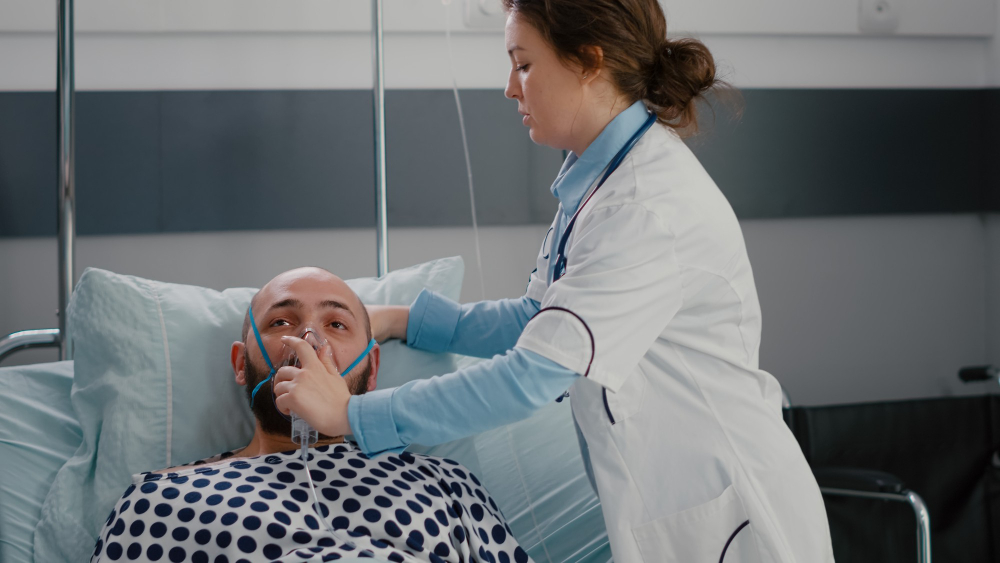
Oxygen helps you breathe easier. Sometimes, a face mask or nasal tubes are enough. In severe cases, a machine may help you breathe.
4. Procedures and Advanced Treatments
Sometimes, extra steps are needed. For example:
5. Lifestyle Changes and Ongoing Care
After treatment, you may need to make changes to stay healthy. Your doctor will guide you. These steps help prevent future problems.
Prevention and Lifestyle Tips
There are ways to lower your risk and manage fluid in the lungs. Consider these tips:
When to Seek Medical Help
Pulmonary edema can be life-threatening. Therefore, seek help right away if you:
Do not wait. Call emergency services or go to the nearest hospital.
Conclusion
Pulmonary edema needs fast and proper treatment. With the right care, many people recover well. However, ongoing care and healthy habits are important. If you have questions or symptoms, do not delay. Consult a pulmonologist or healthcare provider for personalized advice on pulmonary edema treatment.