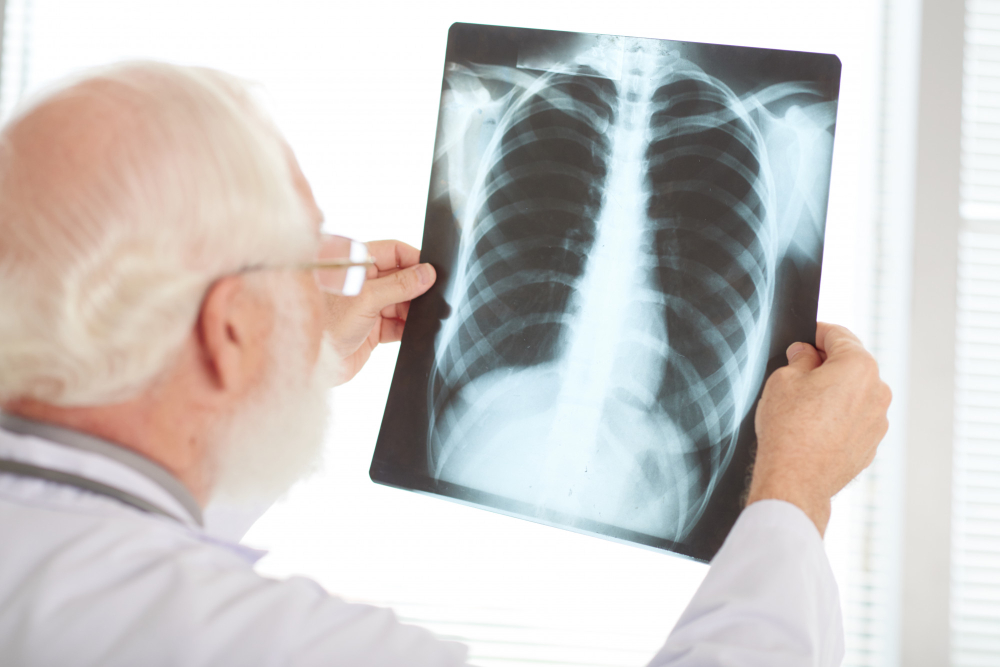
Tuberculosis is a serious infection that mainly affects the lungs. It is caused by a type of bacteria called Mycobacterium tuberculosis. Because tuberculosis can spread from person to person, knowing its causes and symptoms is important. Early detection helps prevent serious health problems and protects your loved ones.
What is Tuberculosis?
Tuberculosis, often called TB, is a disease that can harm the lungs and sometimes other parts of the body. It is one of the top infectious diseases worldwide. In many countries, including India and parts of Africa, tuberculosis remains a major health concern. Anyone can get TB, but people with weak immune systems, such as those with HIV, are at higher risk. Children and older adults are also more likely to get sick from TB.
Causes of Tuberculosis
Tuberculosis is caused by the bacterium Mycobacterium tuberculosis. This germ spreads through the air when a person with active TB coughs, sneezes, or even talks. If you breathe in these germs, you might get infected. However, not everyone who gets the bacteria becomes sick right away. Some people have what is called latent TB, which means the bacteria are in the body but not causing symptoms.
Several factors can increase your risk of getting tuberculosis:
For example, in many parts of Asia and Africa, tuberculosis is more common. In addition, people who smoke or misuse alcohol are at higher risk. Understanding how tuberculosis spreads can help you protect yourself and others.
Symptoms of Tuberculosis
Tuberculosis symptoms can be mild at first. However, as the disease grows, symptoms become more noticeable. Pulmonary tuberculosis, which affects the lungs, is the most common form. Watch for these signs:
Sometimes, tuberculosis can affect other parts of the body, such as the kidneys, spine, or brain. In these cases, symptoms will depend on the area involved. For example, TB in the spine may cause back pain. If you notice any of these symptoms, especially if you have been in contact with someone who has TB, it is important to seek medical advice.
Conclusion
In summary, tuberculosis is a serious but treatable disease. Knowing the causes of tuberculosis and its symptoms can help you stay safe. Early treatment can prevent complications and stop the spread of the infection. If you notice symptoms of tuberculosis, consult a healthcare specialist for proper diagnosis and treatment.